

Cable car · Veneto
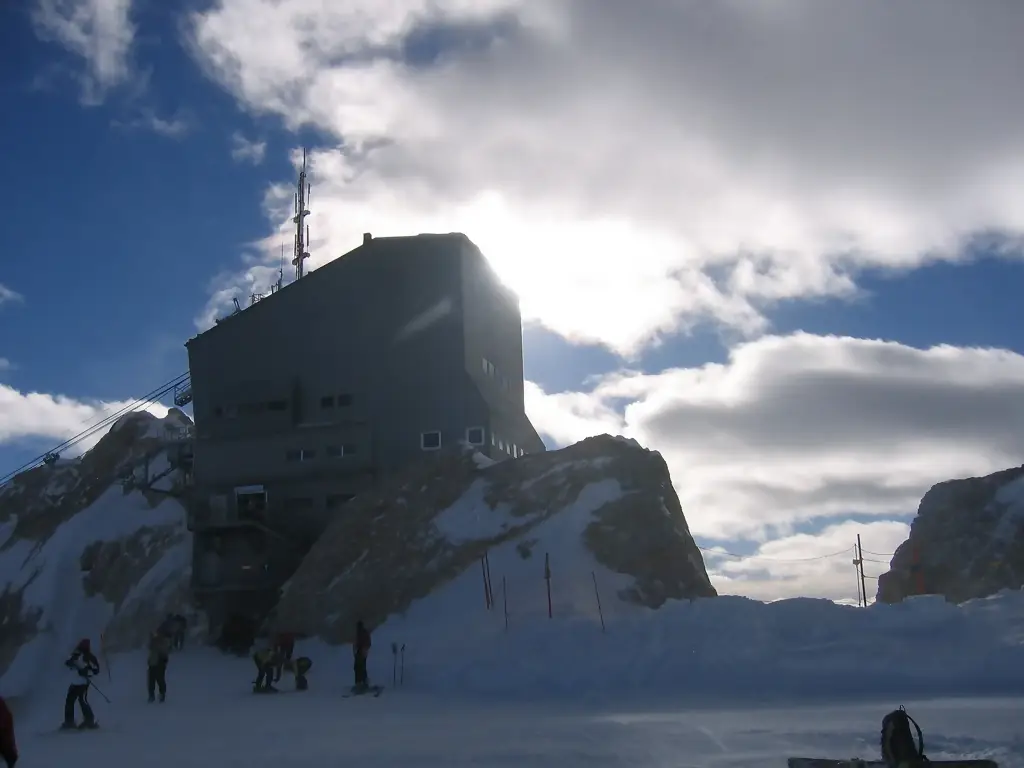
Marmolada cable car to Punta Rocca
Ride the Marmolada cable car to Punta Rocca, 3,265 m on the Queen of the Dolomites: the glacier, the Great War museum at Serauta and the view from the top.
Base altitude
1,450 m
Top altitude
3,265 m
Vertical drop
1,815 m
Length
7,400 m
Affiliate link: if you book through it we earn a commission. The price you pay does not change.
Photo: Qwesy · CC BY 3.0 · Wikimedia Commons
Manufacturer
Doppelmayr
Year built
1966
Hourly capacity
700 p/h
At 3,343 metres the Marmolada is the highest mountain in the Dolomites, and that is where its nickname, the ‘Queen of the Dolomites’, comes from. Height is only part of it, though. There is the sheer presence of the mountain on the skyline, the glacier that covers its north face like nothing else in the range, and the long human history written on its walls.
The cable car to Punta Rocca opened in 1966 and has since been modernised. It is the most direct and spectacular way to get close to the mountain: a journey in three stages from Malga Ciapela, in the Veneto, up to 3,265 metres, and one of the longest and most scenic cable car rides in the Alps.
From Malga Ciapela to Serauta
The ride starts at Malga Ciapela, a small valley-floor village that fills up in summer with visitors and climbers drawn by the Marmolada. The first section climbs quickly past the mountain’s rock face, with ever more dramatic views over the surrounding valleys.
The second mid-station, Serauta, already sits at 2,950 metres. It holds one of the most moving historical sites in these mountains: a Great War museum inside the mountain itself, set up in tunnels dug straight into the rock and ice during the 1915-18 conflict.
The Marmolada saw some of the hardest and most inventive fighting of the whole war. Italian and Austro-Hungarian soldiers fought at extreme altitude, in cold and hardship that are hard to imagine. They built a real ‘city of ice’ under the glacier, with kilometres of tunnels, stores, kitchens and defensive positions carved inside it.
The museum keeps the objects, photographs and first-hand accounts of that heroic and tragic time. Even if you have only a passing interest in history, a visit stays with you.
The view from Punta Rocca
The third and last section takes you to the top station at Punta Rocca, 3,265 metres up. From here the whole of the Dolomites opens out with a clarity and completeness few other viewpoints can match.
On the clearest days you can pick out the Brenta peaks to the west, the Pale di San Martino to the east, the Sella and Sassolungo to the north and, far off to the north-west, the icy summits of the Ortler. The panoramic restaurant at the top lets you stop in comfort even at this height, and in summer its outdoor terrace is one of the finest natural balconies in the Eastern Alps.
A glacier in retreat
The Marmolada glacier is watched closely by scientists and the media because it is shrinking, and faster every year. Over the last fifty years it has lost more than 60% of its original area. The most reliable climate projections suggest that by the middle of the century it could be reduced to a small patch of leftover snow.
The issue took on enormous emotional and political weight after the tragedy of 3 July 2022. That day a huge serac, an overhanging block of ice at the top of the glacier, suddenly broke off and fell onto the roped parties climbing the normal route to the summit. Eleven people died, and many more were injured or buried under the avalanche of ice and rock that swept down the mountain.
The disaster shook the public in Italy and abroad. It put the risks that climate change adds to high mountains back at the centre of the debate, and led the authorities to set up new monitoring and warning procedures for glacier areas used by hikers and climbers.
Skiing on the Marmolada
In winter the Marmolada glacier hosts a high-quality ski area, with runs that drop from the glacier towards Malga Ciapela over varied and technically rewarding terrain. Thanks to the altitude and the favourable aspect of the slope, the snow here is reliable even in seasons when lower resorts see little of it.
The Marmolada is also part of the Dolomiti Superski circuit and a key piece of the great Sella Ronda, the ski tour around the Sella group that ranks among the most complete and spectacular ski experiences in the world.
Opened in 1966, renovated in 2001. The Great War museum can be visited at Serauta station. Summer opening: June to September.