
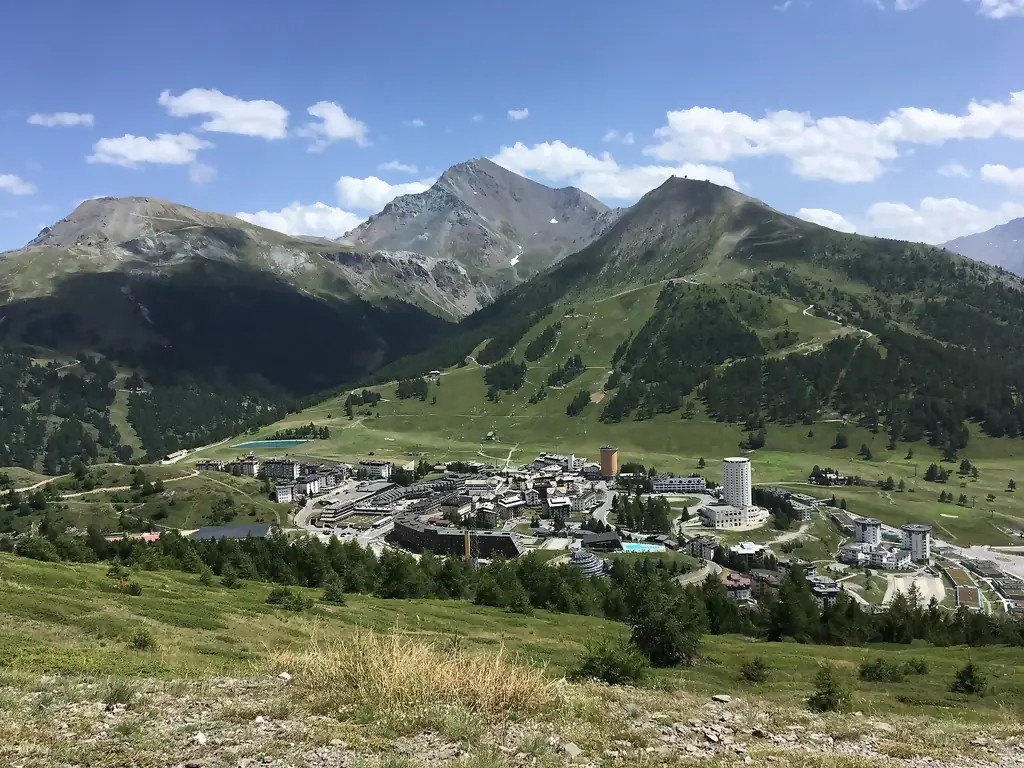
Sauze d'Oulx
1,509-2,823 m 400 km of slopes 70 lifts
Full resort guide Photo: Ainars Brūvelis · CC BY-SA 3.0 · Wikimedia Commons


Region
From family-friendly resorts to vast ski areas, Piedmont offers a wide choice.
Photo: Lucas130999 · CC BY-SA 4.0 · Wikimedia Commons
3
Ski resorts
2,823
Highest point (m)
900
Km of slopes in total
Piedmont carries the proud weight of an Olympic legacy that changed skiing in north-west Italy for good. In February 2006, Turin and its mountains hosted the XX Winter Olympics. Sestriere was the stage for the giant slalom and slalom, Bardonecchia made history by hosting the first Olympic snowboard events ever held in Italy, and Pragelato welcomed ski jumping and cross-country skiing.
The Games left a legacy of infrastructure and media attention that still drives ski tourism in Piedmont today.
At the centre of that legacy is the Via Lattea, one of the largest and best-connected ski areas in Europe. With more than 400 km of runs linking Sestriere, Cesana Torinese, Sauze d’Oulx, Claviere and Montgenèvre in France, the Via Lattea does away with the idea of a national border: one ski pass lets you ski freely in Italy and France, across the Cottian Alps in scenery of rare beauty.
Sestriere, at 2,035 metres above sea level, with its iconic cylindrical tower hotels commissioned by Giovanni Agnelli in the 1930s, remains the ultimate symbol of upmarket skiing in Piedmont.
But skiing in Piedmont is much more than one ski area. In the heart of the Pennine Alps, the Monte Rosa massif is home to Alagna Valsesia, a wild, unspoilt corner where Walser culture has left deep marks on the architecture of the villages and on local place names.
Alagna is an off-piste paradise: extreme freeriding on vast glaciers, ice gullies and couloirs that only the most experienced dare to tackle, and an atmosphere light years away from the glamour of the big resorts. If you are looking for untracked snow and a taste of mountaineering adventure, this is your territory.
To the south, Limone Piemonte surprises with its unusually long season. Its southern aspect and altitude, combined with the nearby sea (the Ligurian Riviera is less than an hour away), create a particular microclimate that brings plenty of snow even late in the season.
The Valle Stura and the Occitan valleys running down towards the Cuneo area have smaller ski areas, popular with loyal local skiers who value the peace and quiet and the lower prices compared with the big resorts.
One of the unique privileges of skiing in Piedmont is the chance to build a truly one-of-a-kind day. Spend the morning on the slopes of Sestriere or the snowy Langhe, then in the afternoon head down to the Langhe and Monferrato hills, where the Barolo, Barbaresco and Dolcetto wineries open their doors for tastings of some of the most famous wines in the world.
Skiing and then enjoying a great Nebbiolo by the fire in the Langhe is something only Piedmont can offer: the perfect summary of a region that has brought mountaineering, food and wine together into one unforgettable story.
Photo: Ainars Brūvelis · CC BY-SA 3.0 · Wikimedia Commons
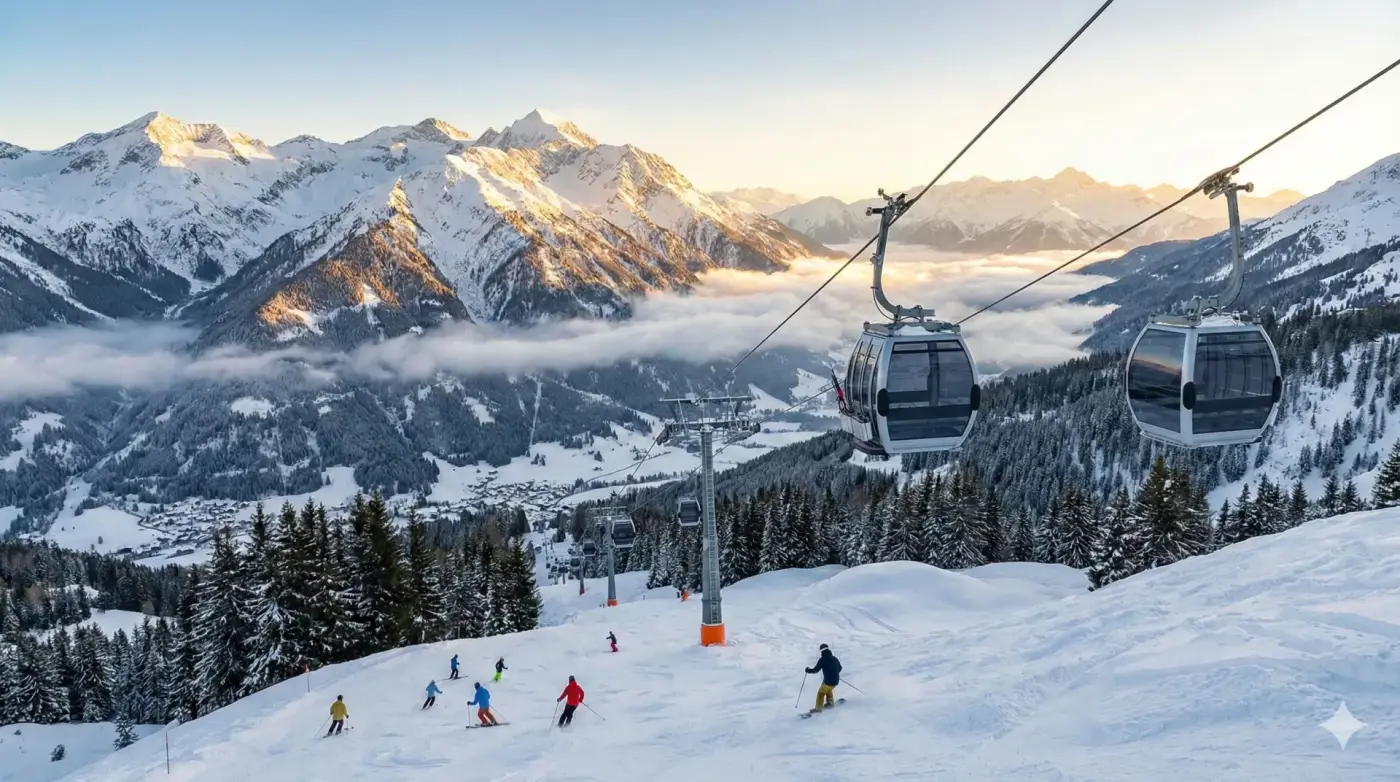
Photo: F Ceragioli · CC BY-SA 4.0 · Wikimedia Commons
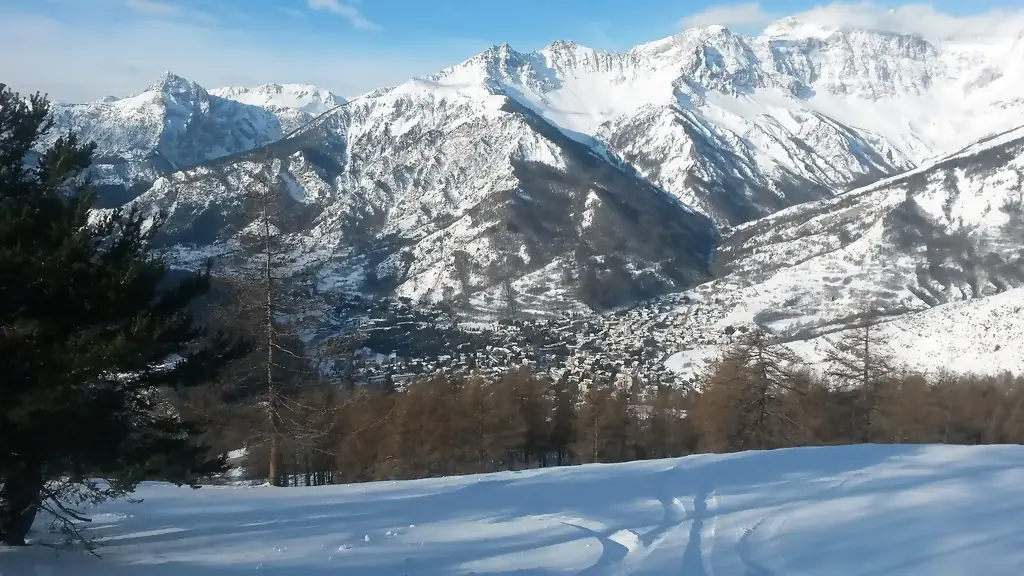
Photo: Ricercatore · CC BY-SA 4.0 · Wikimedia Commons
Cable cars open in autumn 2026: September-November dates
Season

Skyway Monte Bianco: tickets, routes and autumn times
Guides
New lifts 2026/27: what changes in Courmayeur and Kronplatz
News
Summer 2026 lift closing dates: Fiemme, Campiglio, Dolomites
Season
Summer 2026 lift openings: Cervinia and Campiglio
Season
LEITNER at Mountain Planet 2026: why DirectDrive matters
News