

Every Olympic Games leaves its mark. But what will the Milano Cortina 2026 Winter Games actually leave behind for Italian skiing and tourism? Beyond the medals and the emotion, the real legacy of an Olympics lies in the investment in infrastructure and venues, and in the international exposure.
Infrastructure investment
The Milano Cortina 2026 Olympics have brought an unprecedented wave of investment into Italy’s mountain areas.
Transport
- €38.9 million to upgrade the Valtellina railway network
- The stations at Colico, Morbegno, Sondrio, Lecco and Tirano have been fully modernised
- Improvements to the main roads leading to the Olympic venues
- New car parks and park-and-ride interchanges
Sports venues
- Cortina Sliding Centre: more than €100 million for the bobsleigh, skeleton and luge track, set to become a permanent training centre
- Livigno Snow Park: a world-class facility that will remain for athletes and enthusiasts
- Anterselva Arena: consolidation and expansion of Italy’s most important biathlon centre
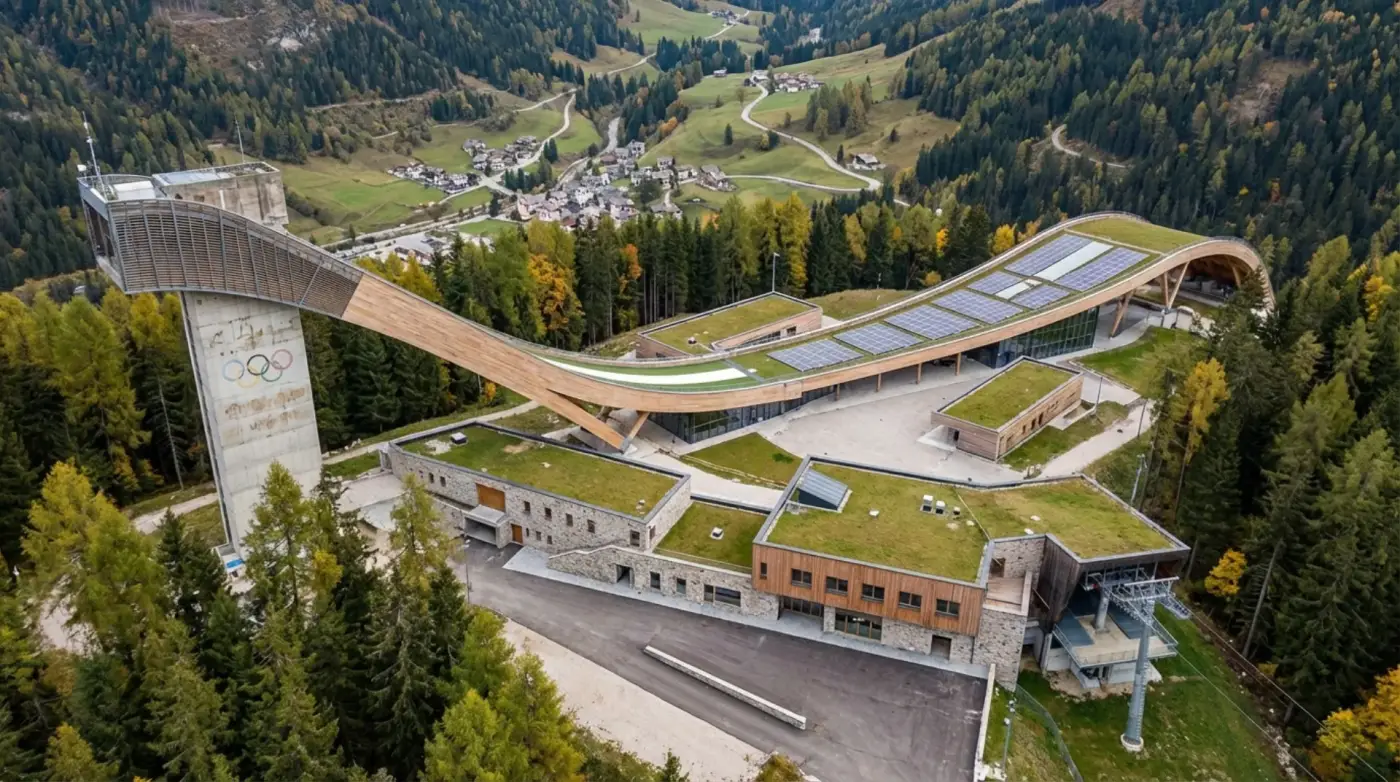
- Renovation of the Predazzo ski jumps in Val di Fiemme
Accommodation and services
- Porta Romana Olympic Village (Milan): after the Games it will become a sustainable residential district with green spaces, student housing and services
- More hotel capacity in the mountain venues
- Better telecommunications and 5G coverage in the valleys
The impact on the ski areas
Bormio: worldwide exposure
Bormio has had enormous media exposure thanks to the Stelvio run. Millions of viewers watched the Olympic downhill, putting Bormio’s name in front of the whole world.
The expected effects:
- A 20-30% rise in visitor numbers over the coming seasons
- New private investment in hotels and accommodation
- A stronger link with Santa Caterina Valfurva and Passo Tonale
Livigno: the capital of freestyle
Livigno is establishing itself as Europe’s reference point for freestyle skiing and snowboard. The new snow park will stay open after the Games, attracting:
- Professional riders for training and international competitions
- A young, active crowd looking for an adrenaline rush
- World-class freestyle events
Cortina: the Queen of the Dolomites returns
Cortina d’Ampezzo confirms its status as a luxury alpine ski destination. The new Cortina Sliding Centre and the renovated Tofane area should keep it attractive for decades to come.
Val di Fiemme and Anterselva: Nordic excellence
Val di Fiemme is consolidating its position as a world centre for cross-country skiing and ski jumping, while Anterselva remains Italy’s leading biathlon venue, with a calendar of international events already full for the years ahead.
The challenges: climate change and sustainability
The Olympic legacy cannot ignore the biggest challenge of all: climate change. The Italian Alps are warming faster than the global average, with direct consequences for skiing:
- The line of reliable snow is moving higher
- Greater dependence on snowmaking
- Fewer operating days at lower altitudes
- Melting alpine glaciers
The 2026 Games have tried to address these challenges with:
- Reuse of existing venues wherever possible
- Sustainability certification for new buildings
- CO₂ emissions offsetting plans
- A focus on renewable energy to power the lifts
Jobs and the wider economy
The Olympics have had a significant impact on employment:
- 4,500 direct jobs during the Games
- 22,000 full-time equivalent positions across the wider economy
- Permanent opportunities in tourism, lift operations and infrastructure maintenance
How it compares with Turin 2006
The comparison with Italy’s last Winter Olympics, Turin 2006, is inevitable:
| Aspect | Turin 2006 | Milano Cortina 2026 |
|---|---|---|
| Format | Concentrated | Spread out |
| Mountain venues | Sestriere, Bardonecchia, Pragelato | Cortina, Bormio, Livigno, Anterselva |
| Focus | Alpine skiing and skating | All disciplines |
| Legacy | Sports halls, ski jumps | Sliding centre, snow park, railways |
| Sustainability | Low priority | Central element |
What comes next
The legacy of Milano Cortina 2026 will be decided over the next five to ten years. The real challenge is not building, but maintaining and making good use of the Olympic venues. They will need to find a sustainable purpose and avoid becoming the white elephants that have plagued other Olympic host sites around the world.
For more on the climate challenge facing the Alps, read our article on climate change and the future of skiing. To explore all the Olympic ski areas, see our full list of ski resorts.