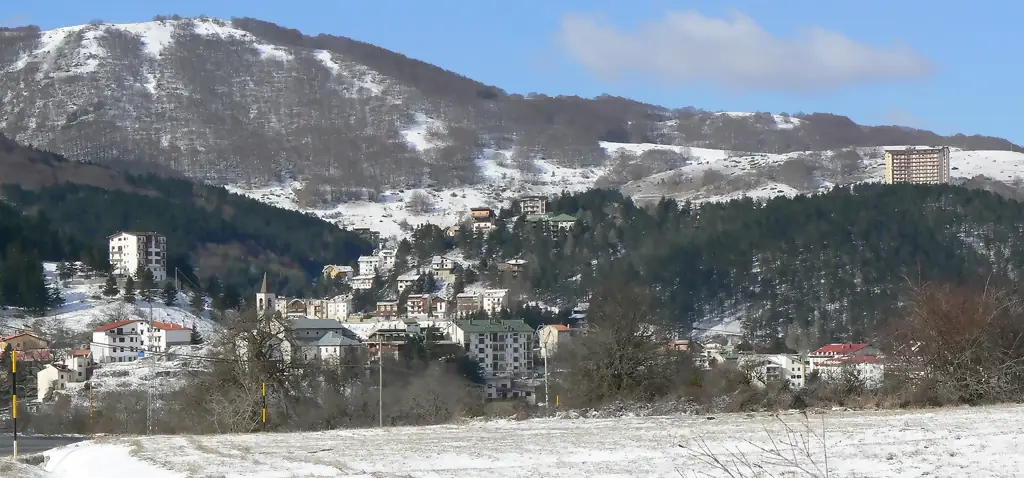
Roccaraso - Rivisondoli
1,236-2,141 m 130 km of slopes 32 lifts
Full resort guide Photo: Luca Margheriti · CC BY-SA 3.0 · Wikimedia Commons


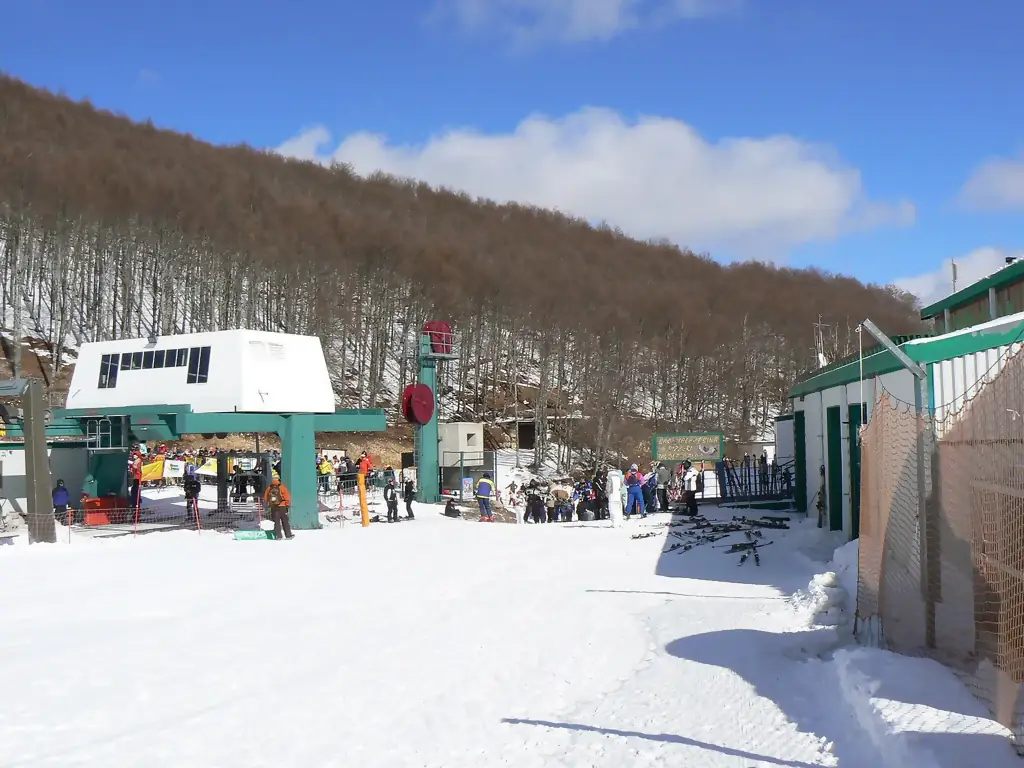
Region
From Roccaraso to Campo Imperatore, Abruzzo offers quality Apennine skiing just a few hours from Rome and Naples.
Photo: Luca Margheriti · CC BY-SA 3.0 · Wikimedia Commons
1
Ski resorts
2,141
Highest point (m)
130
Km of slopes in total
Abruzzo is the region that brought skiing to the heart of the Mediterranean. Among the Apennine massifs of central Italy it has built a serious ski offer that millions of people in central and southern Italy can reach in a time that would be unthinkable in the north. From Rome, the snow is two hours’ drive away. From Naples, it takes just over two and a half hours.
This privileged position has made Abruzzo the great ski hub of southern Italy. Every winter weekend it draws a huge flow of families, young people and keen skiers who would otherwise have no access to snowy mountains.
Roccaraso and Rivisondoli are the beating heart of skiing in Abruzzo. With more than 120 km of runs across a large, well-equipped ski area on the Cinquemiglia plateau, Roccaraso is the largest ski resort in southern Italy.
The runs lie between 1,200 and 2,000 metres and range from gentle slopes for beginners to black runs that will satisfy expert skiers. At weekends, with families from Rome and Naples filling the slopes and mountain restaurants, the atmosphere is festive and sociable, the signature of these southern ski areas.
Campo Imperatore is another story altogether. This vast Apennine plateau, at almost 1,800 metres in the heart of the Gran Sasso d’Italia, is nicknamed ‘Little Tibet’ for its desert-like expanse and the quality of the light on sunny days.
It is surrounded by the highest peaks of the Apennines, with Corno Grande reaching 2,912 metres, and the landscape is unlike any other Italian ski resort. There is nothing alpine here, but something more austere, quieter, almost ancient. The runs drop down open slopes where the wind sculpts short-lived shapes in the snow, and the silence between one lift and the next has a rare, contemplative quality.
Ovindoli in the Marsican mountains, Campo Felice on Monte Rotondo (ideal for families, with slopes well suited to beginners) and the ski areas of the Sangro valley complete an offer that covers the whole of mountainous Abruzzo.
The Majella, the ‘mother mountain’ revered by transhumant shepherds since ancient times, also has ski routes and snowshoe trails in a natural setting protected by the national park of the same name.
Abruzzo is also a region where mountain culture is woven together with sheep farming, where the old transhumance droving trails cross pastures that are covered in silent snow in winter.
The Gran Sasso and Majella are among Italy’s most important national parks, home to the Apennine wolf, the golden eagle and the Marsican brown bear, a subspecies found only here. Skiing in Abruzzo means moving through a natural space that is still wild, not tamed by the tourist industry like some alpine resorts.
After a day on the slopes, few regions feed you as generously as Abruzzo. Arrosticini, lamb skewers threaded on thin sticks and cooked over glowing embers, are the ultimate après-ski ritual. Then there is pasta alla chitarra with lamb ragù, maccheroni al torchio, Farindola pecorino and Montepulciano d’Abruzzo wine. And there is Navelli saffron, considered among the best in the world, which turns the risotto and fish stew of the mountain trattorias golden.
The best season runs from January to March, when snowfall is most reliable and the slopes offer excellent conditions for weeks on end.
Photo: Luca Margheriti · CC BY-SA 3.0 · Wikimedia Commons
Cable cars open in autumn 2026: September-November dates
Season

Skyway Monte Bianco: tickets, routes and autumn times
Guides
New lifts 2026/27: what changes in Courmayeur and Kronplatz
News
Summer 2026 lift closing dates: Fiemme, Campiglio, Dolomites
Season
Summer 2026 lift openings: Cervinia and Campiglio
Season
LEITNER at Mountain Planet 2026: why DirectDrive matters
News